Introduction
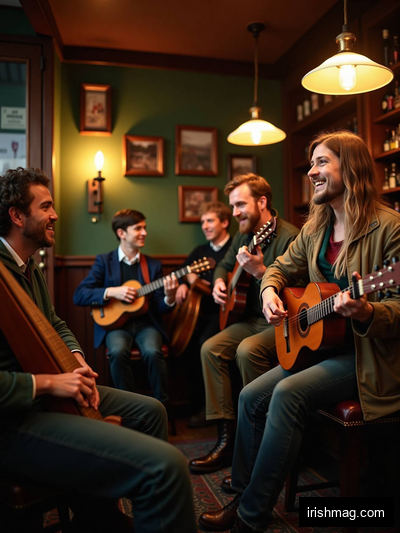
Irish folk music, with its enchanting melodies and rich history, has captivated audiences around the globe for centuries. From the ancient tunes passed down through generations to the modern beats that fuse traditional elements with contemporary sounds, this genre offers a fascinating array of hidden gems waiting to be explored. This blog post delves deep into the heart of Irish folk music, uncovering its roots, evolution, and the innovative artists who are keeping the tradition alive today. Whether you're a long-time aficionado or a curious newcomer, join us on a journey through the vibrant landscape of Irish folk music, from its ancient melodies to modern beats.
In delving deeper into the intricacies of Irish folk music, one discovers not just a musical genre but a cultural tapestry woven with tales of resilience and heritage. From the haunting ballads of unrequited love to the lively reels echoing the joy of community gatherings, each melody in this genre serves as a gateway to the soul of Ireland.
The Roots of Irish Folk Music
Irish folk music has a storied past, deeply intertwined with Ireland's history and culture. Originating from the Celtic people, these ancient melodies were more than just entertainment; they were a means of storytelling, preserving history, and expressing emotion. Instruments like the uilleann pipes, fiddle, and bodhrán (a type of drum) have become synonymous with Irish music, each adding a unique layer to the intricate tapestry of sound. One iconic example is "Danny Boy," a ballad whose melody dates back to the 16th century, though the lyrics we know today were written in the early 20th century.
The tradition of sean-nós singing, which means "old style" in Irish, is another cornerstone of Irish folk music. Characterized by its free rhythm and expressive delivery, sean-nós songs are often performed a cappella and in the Irish language. This style is deeply personal and reflective of the singer's emotions, offering listeners a glimpse into the soul of Irish musical heritage. The Clancy Brothers and Tommy Makem in the 1960s brought sean-nós to international audiences, blending it with other folk traditions and popularizing Irish music worldwide.
Exploring the roots of Irish folk music reveals a tapestry woven with poignant narratives and historical influences. From the haunting melodies of sean-nós singing to the rhythmic beats of the bodhrán, each element reflects a unique aspect of Ireland's cultural heritage. The fusion of Celtic traditions and storytelling through music creates a captivating journey into the heart of Irish musical traditions.
Modern Innovations in Irish Folk Music
In recent decades, Irish folk music has undergone a remarkable transformation, as artists experiment with blending traditional sounds with contemporary genres. Bands like The Pogues in the 1980s pioneered this fusion, combining punk rock's energy with the melancholic melodies of Irish folk. Their approach opened the door for a new generation of musicians to explore the boundaries of the genre.
Today, groups like Lankum and The Gloaming stand on the cutting edge of this evolution. Lankum, with their dark, drone-based soundscapes and raw vocal harmonies, breathe new life into ancient songs, while The Gloaming’s ethereal blend of Irish traditional music with modern classical and jazz elements has captivated audiences worldwide. These artists demonstrate that Irish folk music is not a relic of the past but a living, evolving tradition.
Exploring modern innovations in Irish folk music unveils a tapestry of creativity and fusion. From electronic-infused sounds to cross-genre collaborations, artists like Hozier and Lankum are reshaping traditional tunes with contemporary twists. This evolution not only preserves Irish heritage but also attracts a new wave of listeners seeking fresh, boundary-pushing melodies.
Discovering Hidden Gems
Beyond the well-known classics, Irish folk music is teeming with hidden gems. For those willing to dig deeper, there are countless lesser-known artists and songs that embody the spirit of the genre. For instance, the hauntingly beautiful "Caoineadh na d Trí Muire," a traditional Irish lament depicting the Virgin Mary's grief at the crucifixion, showcases the depth and emotional power of Irish music. Similarly, artists like Daoirí Farrell and Ye Vagabonds are modern bards who weave stories and melodies in a way that feels both timeless and fresh.
Exploring Irish folk music's lesser-known corners can also lead to the discovery of regional styles and variations. From the lively jigs and reels of Donegal to the mournful slow airs of Connemara, each region adds its own flavor to the national repertoire. Engaging with local musicians and attending small, intimate gigs can uncover a world of music that large-scale concerts and commercial recordings often overshadow.
Exploring the depths of Japanese cuisine reveals hidden gems beyond sushi and ramen. Delicacies like takoyaki, a savory octopus-filled dough ball, or the intricate art of kaiseki dining offer a glimpse into culinary wonders waiting to be uncovered. By venturing off the beaten path, food enthusiasts can savor these lesser-known treasures and truly immerse themselves in Japan's rich gastronomic tapestry.
Embracing the Tradition and Innovation
The journey through Irish folk music is one of balance between tradition and innovation. For enthusiasts and musicians alike, respecting the genre's roots while embracing its evolution is key to keeping the music alive and relevant. Learning to play an instrument like the tin whistle or fiddle can offer a personal connection to the tradition, while exploring modern interpretations can provide a fresh perspective on the genre's possibilities.
Collaboration between artists of different genres is another avenue where Irish folk music continues to grow. Collaborative projects, such as the Afro Celt Sound System, which merges Irish traditional music with West African rhythms, showcase the universal language of music and the exciting potential of cross-cultural exchanges. These collaborations not only enrich the genre but also foster a global community of listeners and creators united by a love of Irish folk music.
Exploring the realm of Japanese tea ceremonies unveils a similar dance between tradition and innovation. While the rituals and etiquette remain deeply rooted in centuries-old customs, modern tea masters are infusing new techniques and tools to enhance the experience. For example, some practitioners blend traditional matcha with innovative flavor infusions, creating a harmonious fusion of the old and the new.
Conclusion
Irish folk music, with its rich tapestry of history, emotion, and melody, offers a world of discovery for those willing to explore. From the ancient strains of sean-nós singing to the innovative fusions of contemporary artists, this genre encompasses a vast spectrum of sounds and stories. By delving into both the traditional roots and modern beats of Irish folk music, listeners can experience the soulful depth and vibrant evolution of this enduring tradition.
Whether through learning an instrument, exploring the music of lesser-known artists, or attending live performances, there are countless ways to engage with and contribute to the living tradition of Irish folk music. As we embrace the past and look to the future, the journey through the hidden gems of Irish folk music continues to inspire and connect us across time and borders.
In conclusion, exploring the depths of Irish folk music unveils not just a musical genre but a cultural treasure trove. From the haunting melodies of sean-nós singing to the lively reels of traditional dances, each note carries the weight of centuries-old stories and traditions. Delving into this musical realm is akin to embarking on a journey through the heart and soul of Ireland.