Introduction
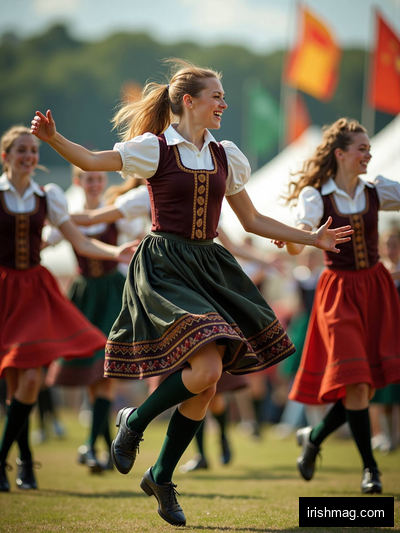
Irish dance, with its intricate footwork, lively music, and vibrant costumes, has captivated audiences worldwide. This dance form, more than just entertainment, is deeply rooted in Ireland's history and culture, reflecting the country's socio-political changes, community values, and artistic expressions over centuries. From its origins in Celtic rituals to its modern-day global presence, Irish dance has evolved while maintaining its core elements. This article explores the history and cultural significance of Irish dance, shedding light on its development, styles, and impact on the global stage.
In this captivating world of Irish dance introduced in the previous section, one cannot overlook the rich cultural heritage that underpins this art form. Each step, each movement, is steeped in history and tradition, passed down through generations with immense pride and reverence. The intricate footwork not only showcases the dancers' skill and agility but also serves as a powerful connection to their roots.
Furthermore, the vibrant costumes worn by Irish dancers are not just mere attire; they are a visual representation of the music and rhythms that accompany this lively dance form. The colors, patterns, and designs of these costumes often reflect elements of nature, folklore, and symbolism that add an extra layer of depth to the performance, truly bringing the audience into the heart of this mesmerizing art.
Historical Evolution of Irish Dance
Irish dance's origins can be traced back to the Druids and ancient Celts, who celebrated important occasions with communal dances. Over time, these dances evolved, influenced by various factors such as Norman invasions, English laws, and social changes. During the 18th century, dance masters began touring Ireland, teaching and refining dances, contributing significantly to the codification of Irish dance forms. The Great Famine (1845-1852) led to mass emigration, spreading Irish culture and dance globally. In the 20th century, Irish dance gained international recognition, notably through shows such as Riverdance, which showcased its evolution from a traditional folk form to a global phenomenon.
The dance form's resilience and adaptability are evident in its survival and flourishing despite historical challenges. For instance, the 18th and 19th centuries saw the enactment of Penal Laws that sought to suppress Irish culture, including dance. Communities responded by holding secret dance sessions, known as "ceilis," preserving their heritage. This period also saw the development of distinct styles and the formalization of competitions, cementing Irish dance's role in cultural expression and community cohesion.
As Irish dance continued to evolve through the centuries, significant influences from various cultural interactions shaped its unique character. The fusion of traditional Irish step dancing with elements of French ballet in the 18th century added a graceful and refined touch to the art form. Additionally, the Great Famine of the mid-19th century, while a tragic period in Irish history, played a pivotal role in the evolution of Irish dance. The diaspora resulting from the famine spread Irish dance to new lands, laying the foundation for its global popularity today. From humble beginnings rooted in ancient Celtic rituals to its modern-day worldwide appeal, the historical evolution of Irish dance is a testament to the resilience and cultural richness of the Irish people.
Styles and Characteristics of Irish Dance
Irish dance is characterized by its rapid leg and foot movements, while the body and arms remain largely stationary. This unique style stems from historical conditions, including limited space in rural cottages and the need for discretion during periods of cultural suppression. The main styles of Irish dance include:
- Soft shoe dance: Performed in soft, leather shoes, this style includes the reel, slip jig, and light jig, emphasizing grace and fluidity.
- Hard shoe dance: Known for its rhythmic precision, this style includes the hornpipe and treble jig, performed in shoes with fiberglass tips and heels to produce distinctive sounds.
- Set dances: Choreographed sequences set to specific pieces of music, showcasing a dancer's skill and creativity.
- Ceilis: Group dances derived from social gatherings, highlighting community and cooperation.
Each style requires specific techniques and skills, honed through years of practice. Competitions, or "feiseanna," play a crucial role in the Irish dance community, providing dancers with opportunities to showcase their talents, receive feedback, and advance in proficiency.
In addition to the intricate footwork and precise movements that define Irish dance, each regional style carries its own unique flair and characteristics. For example, the Munster style is known for its emphasis on intricate footwork, while the Connemara style often features graceful arm movements that complement the fast-paced footwork. Furthermore, the Ulster style showcases quick, intricate footwork paired with a distinct posture that sets it apart from other styles. These regional nuances add depth and diversity to the overall tapestry of Irish dance, showcasing the rich history and cultural heritage embedded within each distinct style. Understanding these various styles and their specific characteristics can provide a deeper appreciation for the artistry and complexity of Irish dance.
Cultural Significance and Global Influence
Irish dance is more than an art form; it is a powerful symbol of Irish identity and heritage. Throughout history, it has served as a form of resistance against cultural suppression, a means of preserving traditions, and a medium for storytelling. The dance's themes often reflect historical events, social changes, and communal values, connecting generations of Irish people to their ancestors and cultural roots.
The global success of shows like Riverdance and Lord of the Dance in the 1990s brought Irish dance to the international stage, creating a surge in popularity and interest. This phenomenon has led to the establishment of Irish dance schools worldwide, fostering a global community of dancers and enthusiasts. The international appeal of Irish dance lies in its dynamic nature, emotional depth, and the universal themes of struggle, resilience, and joy it embodies.
Moreover, Irish dance has influenced and been influenced by other dance forms. For example, its emphasis on rhythm and precise footwork can be seen in American tap dance, which shares historical roots with Irish dance through the fusion of African and Irish dance traditions in the 19th century. This cross-cultural exchange highlights the interconnectedness of dance traditions and their role in cultural dialogue and exchange.
Expanding on the cultural significance and global influence of Irish dance, it's fascinating to note how this traditional art form has transcended borders and resonated with people worldwide. From the lively footwork to the intricate choreography, Irish dance embodies the spirit and resilience of the Irish people, making it a cherished cultural export that continues to captivate audiences globally. For instance, the Riverdance phenomenon, with its fusion of traditional Irish dance and contemporary music, has not only brought Irish culture to the international stage but has also inspired a new generation of dancers around the world. This cross-cultural exchange through dance serves as a powerful reminder of the interconnectedness of cultures and the enduring impact of artistic expressions on a global scale.
Modern Developments and Future Directions
In recent years, Irish dance has continued to evolve, embracing innovation while honoring tradition. Technological advancements, such as online teaching platforms and social media, have made Irish dance more accessible, allowing for a global exchange of ideas and styles. Contemporary choreographers are experimenting with fusion styles, incorporating elements from ballet, contemporary, and even hip-hop, pushing the boundaries of traditional Irish dance.
Despite these changes, the core values of Irish dance remain intact. The community continues to value hard work, dedication, and a deep respect for heritage. Competitions have adapted to modern times, with increased emphasis on athleticism, presentation, and creativity. These developments suggest a bright future for Irish dance, one that respects its rich history while embracing change and innovation.
As Irish dance moves forward, it faces challenges such as maintaining authenticity amidst commercialization and ensuring inclusivity within its global community. However, the dance's adaptability and the strong sense of identity it provides its practitioners suggest that it will continue to thrive and inspire future generations. The ongoing dialogue between tradition and innovation, local and global influences, and individual and community aspirations will shape the future of Irish dance, ensuring its relevance and vitality in the years to come.
As we delve deeper into modern developments and future directions in Irish dance, one cannot overlook the impact of technology. With the integration of motion capture and virtual reality, dancers now have innovative tools to enhance their training and performance. Imagine a future where dancers can analyze their movements in real-time, refining their techniques with precision and efficiency.
Moreover, collaborations between Irish dance and other art forms are shaping the landscape of this traditional practice. From fusion performances with contemporary music to interdisciplinary projects with visual artists, the boundaries of Irish dance are expanding in exciting ways. These cross-disciplinary ventures not only push the boundaries of creativity but also pave the way for a more diverse and inclusive future for Irish dance.
Conclusion
Irish dance is a vibrant and dynamic art form steeped in history and culture. Its evolution from ancient Celtic rituals to a global phenomenon reflects the resilience, creativity, and spirit of the Irish people. Through its unique styles, Irish dance tells stories of struggle, joy, and community, connecting dancers and audiences across the world. As it continues to evolve, Irish dance remains a powerful symbol of Irish heritage, showcasing the beauty and complexity of this rich cultural tradition.
The future of Irish dance looks promising, with opportunities for innovation and growth. By embracing change while honoring its roots, Irish dance can continue to inspire and entertain, bridging cultures and generations. For dancers and enthusiasts alike, Irish dance offers a way to explore and express identity, connect with history, and participate in a global community united by a love for this captivating art form.
As we draw to a close in our exploration of Irish dance, it becomes evident that this art form is not just about intricate footwork and dazzling costumes; it serves as a bridge connecting past traditions with present-day expressions of identity and community. The Conclusion offers us a chance to reflect on how Irish dance continues to evolve, embracing modern influences while honoring its rich heritage. For instance, contemporary choreographers are blending traditional steps with innovative movements to create captivating performances that resonate with audiences worldwide. This fusion of old and new highlights the resilience and adaptability of Irish dance, ensuring its relevance and vitality in the ever-changing cultural landscape.