Introduction
The story of Ireland's iconic knitwear, particularly the Aran sweater, weaves together strands of history, culture, and craftsmanship to create a textile narrative as rich and complex as the patterns that adorn these garments. Originating from the Aran Islands, located at the mouth of Galway Bay on the west coast of Ireland, these sweaters are more than just a fashion statement; they are a symbol of Irish heritage and a testament to the artistry of Irish knitters. This post delves into the origins of Aran sweaters, their cultural significance, their journey from a fishermen's functional garment to a staple of contemporary fashion, and the modern interpretations that continue to captivate and inspire.
The Aran sweater's distinctive patterns are not merely decorative; they are imbued with meaning, with each stitch reflecting different aspects of the lives of the islanders who created them. From the cable stitch, which represents the fisherman's ropes and a wish for a fruitful day at sea, to the diamond stitch, symbolizing the fields of the islands and hopes for wealth and success, these patterns are a narrative language all their own. Today, the Aran sweater is celebrated worldwide, not only for its beauty and craftsmanship but also for its durability and versatility in the face of changing fashion trends.
Delving deeper into the rich legacy of Ireland's knitwear traditions, the "Introduction" sets the stage for a journey through the intricate patterns and cultural significance of the Aran sweater. As we unravel the threads of history, we encounter the timeless allure of these garments, each stitch carrying a story of craftsmanship and heritage. From the rugged landscapes that inspired these designs to the skilled artisans who meticulously craft each piece, the "Introduction" beckons us to appreciate the artistry and symbolism woven into every knit. Join us as we explore the intricate tapestry of Ireland's iconic knitwear, celebrating a legacy steeped in tradition and creativity.
The Historical Roots of Aran Knitwear
The origins of Aran knitwear are as rugged and enduring as the landscape of the Aran Islands themselves. Initially, these sweaters were crafted by the wives of fishermen, who needed warm, water-resistant garments that could withstand the harsh Atlantic winds and wet conditions. The sweaters were made from untreated wool, which retained its natural oils, making them somewhat water-repellent. This practical garment soon became a vital part of the islanders' daily lives, embodying their resilience and resourcefulness.
The patterns that adorn Aran sweaters were inspired by the natural environment of the islands and the daily lives of their inhabitants. These intricate designs were passed down through generations, with each family often having its unique pattern. This tradition not only created a strong sense of community and identity among the islanders but also added a layer of intimacy and personalization to the craft of sweater knitting.
By the mid-20th century, Aran sweaters began to gain popularity beyond the shores of Ireland, thanks in part to their appearance in international fashion magazines and endorsements by celebrities. This newfound fame transformed the Aran sweater from a local craft into a global fashion phenomenon, paving the way for its incorporation into contemporary fashion.
Delving deeper into the historical roots of Aran knitwear unveils a tapestry of tradition interwoven with symbolism. Each intricate stitch in the iconic Aran sweaters holds significance; the cable stitch, believed to represent the ropes used by fishermen, and the diamond stitch, a symbol of the island’s fields. These patterns not only provide warmth but also tell a story of the island's heritage and way of life. Passed down through generations, the craft of Aran knitting embodies a timeless connection to the island's history, making each garment a piece of wearable heritage.
Cultural Significance and Symbolism
The cultural significance of Aran sweaters extends far beyond their practical origins, embodying the spirit and stories of the Irish people. The intricate patterns knitted into each sweater tell tales of family history, island folklore, and the hopes and dreams of the knitters. For example, the honeycomb stitch is often said to represent the hardworking bee, symbolizing reward for labor, while the tree of life stitch reflects the importance of family connections and the continuity of life.
These symbolic patterns have turned Aran sweaters into cherished heirlooms, passed down through generations as both a piece of family history and a protective talisman. The act of knitting an Aran sweater for a loved one is imbued with significance, as each stitch is thought to bring safety, luck, and prosperity to its wearer.
Moreover, the global recognition of Aran sweaters has played a significant role in promoting Irish culture and heritage on the world stage. They have become emblematic of the craftsmanship, creativity, and resilience of the Irish people, contributing to a sense of national pride and identity.
Exploring the cultural significance and symbolism of various traditional attires reveals a rich tapestry of history and meaning. For example, in Japan, the kimono symbolizes not just fashion but also reflects the wearer's social status, age, and even the season. The intricate designs and colors woven into these garments often hold deep symbolic representations, connecting wearers to their heritage and traditions. Understanding these nuances adds a layer of appreciation for the artistry and customs embedded in these cultural symbols, making them more than just clothing but a profound expression of identity and values.
From Traditional Garment to Fashion Icon
The evolution of Aran sweaters from a utilitarian garment to a fashion icon is a testament to their timeless appeal and adaptability. In the 1950s and 1960s, Aran sweaters caught the attention of the global fashion community, appearing in Vogue magazine and being worn by style icons such as Grace Kelly and Steve Mc Queen. This exposure catapulted the Aran sweater into the realm of high fashion, where it was embraced for its unique blend of practicality, comfort, and style.
Contemporary fashion designers have continued to draw inspiration from the traditional Aran sweater, incorporating its distinctive patterns and textures into modern designs. Brands and designers such as Ralph Lauren, Isabel Marant, and Inis Meáin Knitting Company have reimagined the Aran sweater, experimenting with colors, fits, and materials while still honoring the craftsmanship and heritage of the original. These modern interpretations have introduced the beauty of Aran knitwear to new audiences, ensuring its relevance in today's fashion landscape.
The adaptability of Aran sweaters to various fashion trends has also played a crucial role in their enduring popularity. Whether styled with jeans for a casual look or paired with a skirt for a more formal ensemble, the Aran sweater has proven to be a versatile addition to any wardrobe. Its ability to transcend seasons, trends, and occasions underscores the timeless quality of Irish knitwear.
This transformation of traditional garments into fashion icons showcases the power of cultural heritage in shaping modern style trends. Take the Kimono, once a symbol of Japanese tradition, now gracing international runways with its timeless elegance. Similarly, the Indian Sari, with its rich history and intricate designs, has captivated global fashion enthusiasts, bridging the gap between tradition and contemporary fashion. These iconic garments not only represent a cultural legacy but also highlight the fusion of tradition and innovation in the ever-evolving world of fashion.
Modern Interpretations and Innovations
The story of Aran knitwear continues to evolve, with modern designers and artisans pushing the boundaries of traditional techniques to create innovative and sustainable fashion. Advances in knitting technology have expanded the possibilities for pattern complexity and garment construction, allowing for more intricate designs and a broader range of styles.
Sustainability has also become a key focus in the production of Aran knitwear, with many producers embracing ethical sourcing and environmentally friendly practices. Wool from organically raised sheep, eco-friendly dyes, and low-impact manufacturing processes are increasingly becoming the standard in the industry, reflecting a commitment to preserving both the craft and the planet.
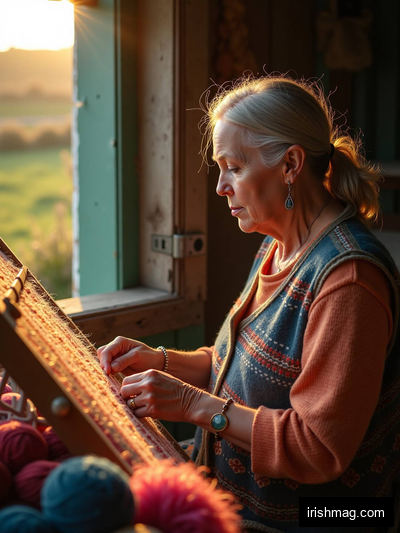
Moreover, the resurgence of interest in handmade and artisanal products has reignited appreciation for the skill and labor involved in creating Aran sweaters. Small-scale knitters and cooperatives, such as the Aran Sweater Market on the Aran Islands, continue to produce hand-knitted sweaters, ensuring that the tradition remains a living art form. These handcrafted garments not only support local communities but also offer a connection to the history and heritage of Aran knitwear.
The fusion of traditional craftsmanship with contemporary design and ethical production practices exemplifies the resilience and adaptability of Aran knitwear. As consumers become more conscious of the stories behind their clothing, the appeal of Aran sweaters, with their rich history and cultural significance, is likely to endure.
In the realm of modern interpretations and innovations, the fusion of technology and traditional craftsmanship has brought forth groundbreaking advancements in the world of textile design. Take, for instance, the use of 3D printing technology to create intricate knitwear patterns that were once thought to be impossible. This marriage of innovation with heritage techniques not only pushes the boundaries of creativity but also opens up new avenues for designers to explore and redefine the art of knitwear.
Conclusion
The journey of Aran knitwear from the rugged shores of the Aran Islands to the global fashion stage is a story of tradition, innovation, and enduring appeal. The Aran sweater, with its intricate patterns and rich symbolism, has transcended its origins as a fisherman's garment to become a symbol of Irish culture and a beloved icon of contemporary fashion. As it continues to inspire designers and captivate wearers around the world, the Aran sweater stands as a testament to the skill, creativity, and spirit of the Irish people.
The future of Aran knitwear looks promising, with ongoing innovations in design, material, and ethical production paving the way for a new generation of sweaters that honor their heritage while embracing the challenges of the modern world. Whether through the hands of artisans on the Aran Islands or the collections of international fashion designers, the legacy of Aran knitwear is sure to be carried forward, weaving together the past and the present in every stitch.
In conclusion, the evolution of Aran knitwear serves as a testament to the enduring legacy of traditional craftsmanship in the modern fashion landscape. From the intricate cable patterns symbolizing fishermen’s ropes to the rich heritage woven into every stitch, Aran sweaters stand as a bridge between past and present. This journey not only showcases the artistic prowess of Irish artisans but also highlights the timeless appeal of heritage fashion in a fast-paced industry. As we reflect on this narrative, it becomes evident that the story of Aran knitwear is not just about garments but a celebration of culture, history, and the artistry of generations past.